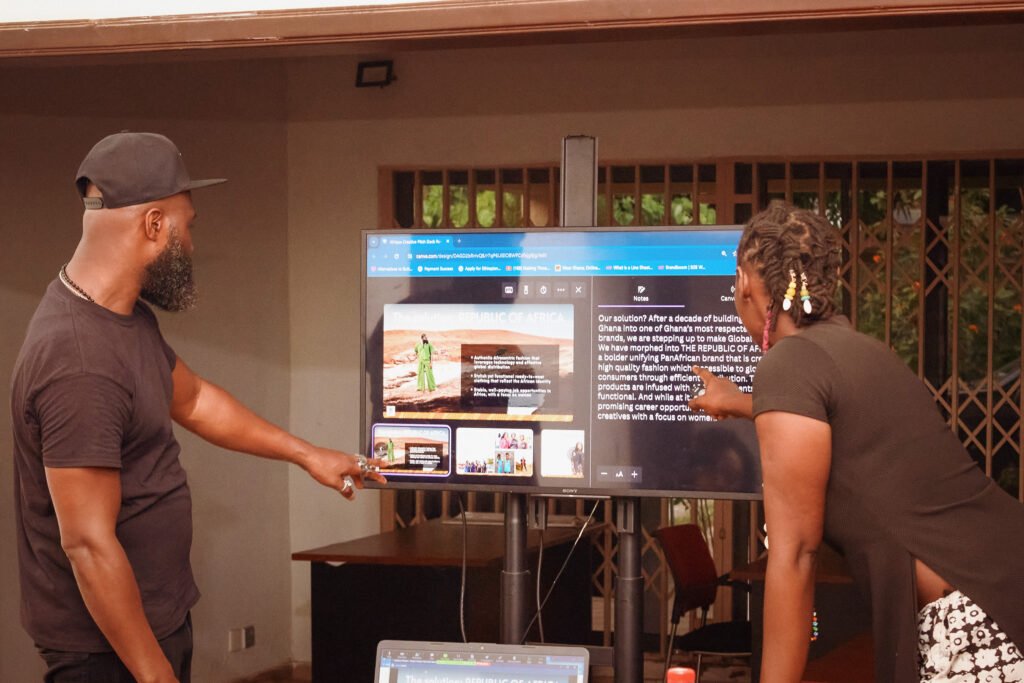
At the end of a workshop, we hand out evaluation forms.
Participants tell us whether the facilitator was effective, the material was useful and the session met their expectations. We collect the responses, review the scores and often conclude that the training went well.
Those answers have a purpose. They help us understand the experience we delivered.
But they leave a much harder question unanswered: what can participants do with the learning when they return to their businesses?
A founder may understand a financial model in a training room. Applying it while managing late customer payments, an unreliable supplier and an overstretched team is a different task.
The workshop gives us an opportunity to introduce an approach and practise it together. Its value is tested when the founder has to use it under pressure.
That is why I believe entrepreneurship programmes need to take what happens after the workshop much more seriously.
Understanding is the first step
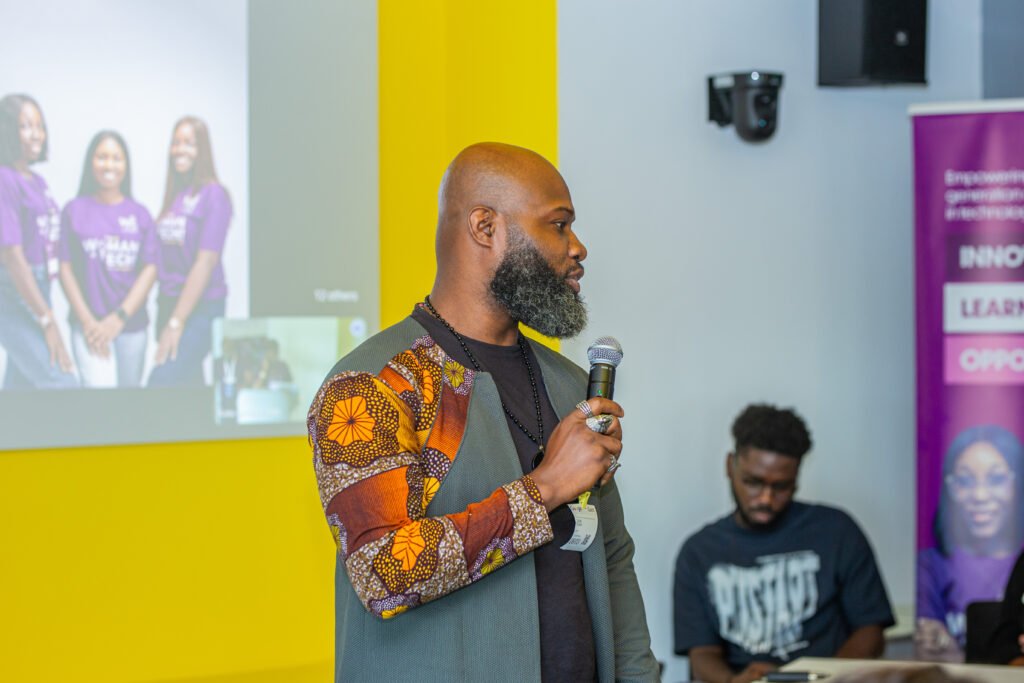 In a facilitated session, participants have something they rarely enjoy in their daily work: protected time to think.
Someone has organised the material, provided a framework and created space for discussion. Other founders are working through similar questions. There is encouragement, structure and access to advice.
Then the session ends.
The founder returns to unfinished orders, staff questions and immediate demands on cash. The exercise that made sense during training now has to compete with everything else.
When implementation slips, it is easy to describe this as a lack of commitment. Before reaching that conclusion, we should examine whether the programme helped the founder make the transition.
Did they leave with a manageable action? Did they know what evidence to collect? Was support available when the first attempt failed?
Three gaps deserve more attention
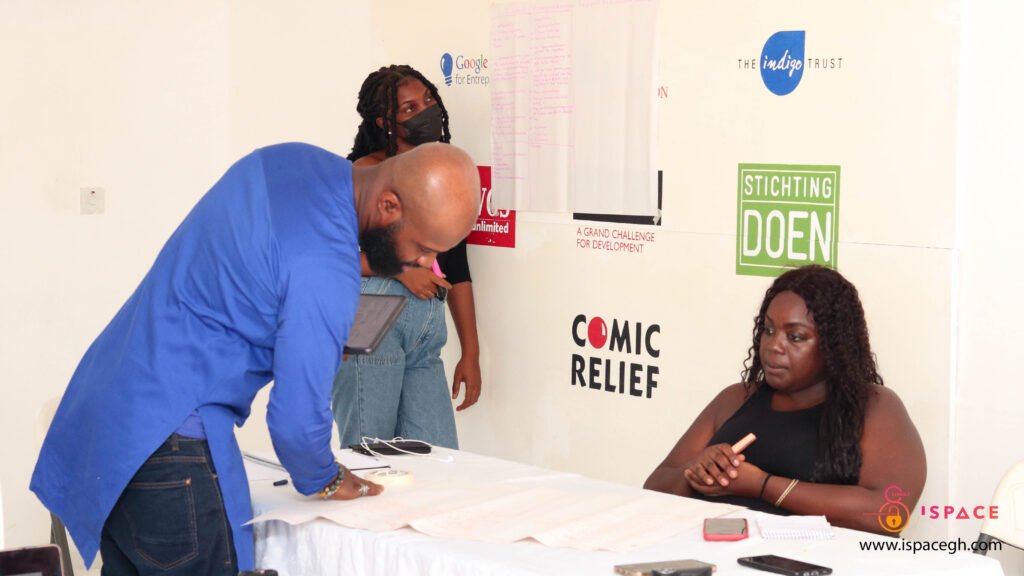 The first is the translation gap.
A founder can complete a customer persona exercise during training and still struggle to use it to make a decision. The next step might involve interviewing customers, changing an offer or testing a different sales channel.
That requires judgement about how the framework applies to their business. Completing the worksheet does not establish that judgement.
The second is the accountability gap.
During the programme, sessions and deadlines create a rhythm. Afterwards, urgent operational work can displace the actions the founder intended to take.
A broad promise to “improve marketing” is easy to postpone. A defined customer test, with a date and a clear record of the result, is easier to act on and review.
The third is the learning gap when something fails.
A founder tries a new approach and gets a disappointing result. Without support to examine what happened, they may abandon it or repeat it without changing anything meaningful.
We need to help founders ask better questions about those results.
Advisory support should build judgement
 When a founder asks, “What should I do next?”, a mentor may be able to provide an answer quickly.
Sometimes direct advice is necessary. But if every obstacle leads back to the mentor for another instruction, we have more work to do.
Useful diagnostic questions include:
-
What were you trying to achieve?
-
What did you actually try?
-
What evidence did you collect?
-
Where did the result differ from your expectation?
-
What will you change in the next attempt?
These questions help founders examine their own decisions. Over time, the aim is for them to use that process without waiting for a scheduled session.
That is an important outcome of capacity building: stronger independent judgement.
Accountability needs something concrete to examine
 A check-in call can be useful. Its value depends on what it helps the founder review.
If the conversation is simply “How are things going?”, it can produce a general update with little connection to the learning.
I would rather see a small record built into the founder’s weekly work: one priority problem, one action, the evidence from that action and the next decision.
The focus might be customer retention, production delays or cash collection. It should reflect the business’s immediate constraint and be simple enough to maintain.
The record gives the founder, adviser and peers something specific to discuss. It also makes it easier to notice when an agreed action has stalled.
We should be careful here. A tracking tool that consumes time without helping the founder make decisions becomes another reporting burden.
Keep the useful part of the cohort alive
The relationships formed during a programme can provide continued support, but a group chat alone does not create accountability.
Small peer groups need an agreed purpose and a workable rhythm. Members should be able to share an action, discuss the result and challenge an assumption respectfully.
Trust and confidentiality matter. So does matching people whose experience allows them to contribute usefully.
The aim is to give founders a place where they can examine difficulties honestly and keep learning after formal sessions have ended.
Design the follow-through before recruitment begins

For upcoming programmes, I would build a defined period of implementation support into the design.
A ninety-day period could provide space for founders to test an approach, encounter difficulties and make adjustments. Its length and intensity should fit the programme and the participants.
Before the workshop ends, each founder should have a practical milestone. Follow-up should then examine what they attempted, what changed and what support remains necessary.
This requires adviser time, coordination and a budget. It also requires clarity about what the programme can reasonably deliver.
Post-cohort tracking should help us understand application and progress. Attendance, satisfaction and business outcomes are different things, and our reporting should distinguish them.
A programme cannot promise that every business will grow. It can take responsibility for providing a credible route from learning to practice.
The workshop ends when participants leave the room. Our responsibility for helping them apply the learning should already have a place in the plan.
No comment yet, add your voice below!